South Sudan's population of over 13 million people is divided into more than 60 distinct ethnic groups. At the heart of the country's cultural identity, however, are three great Nilotic peoples — the Dinka, the Nuer, and the Shilluk — whose histories, territories, and cosmologies are shaped entirely by the White Nile and its seasonal rhythms.
Heritage & Culture
Nile Peoples & Cultures
Three great Nilotic nations whose lives, songs, and cattle have followed the river since time immemorial
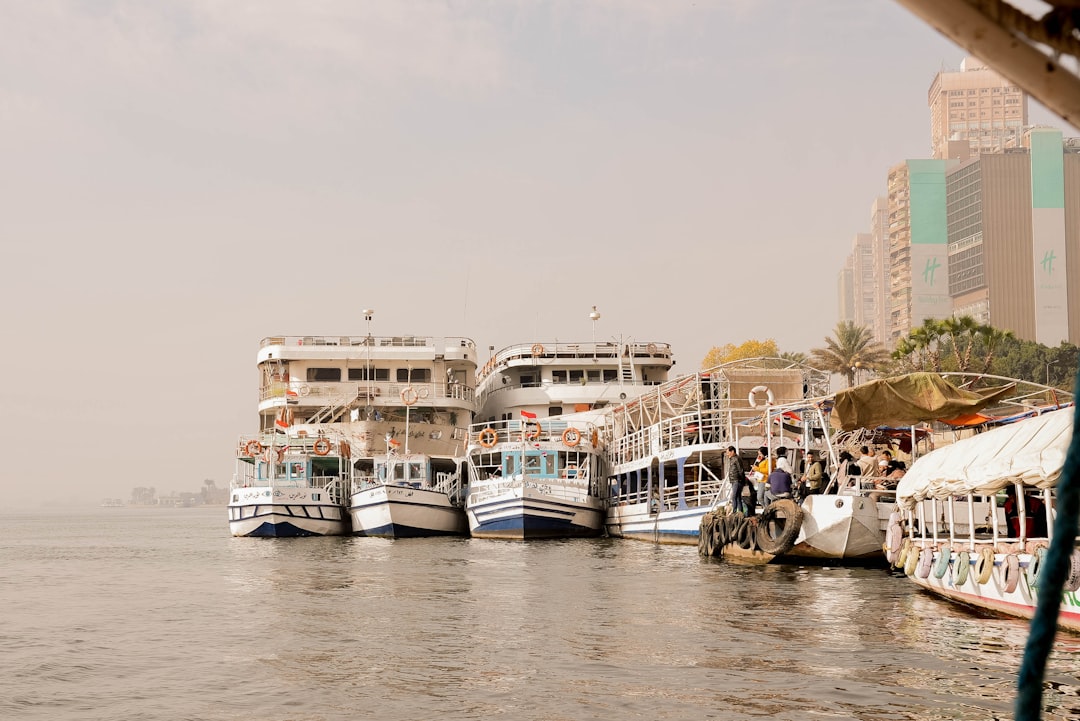
The Dinka
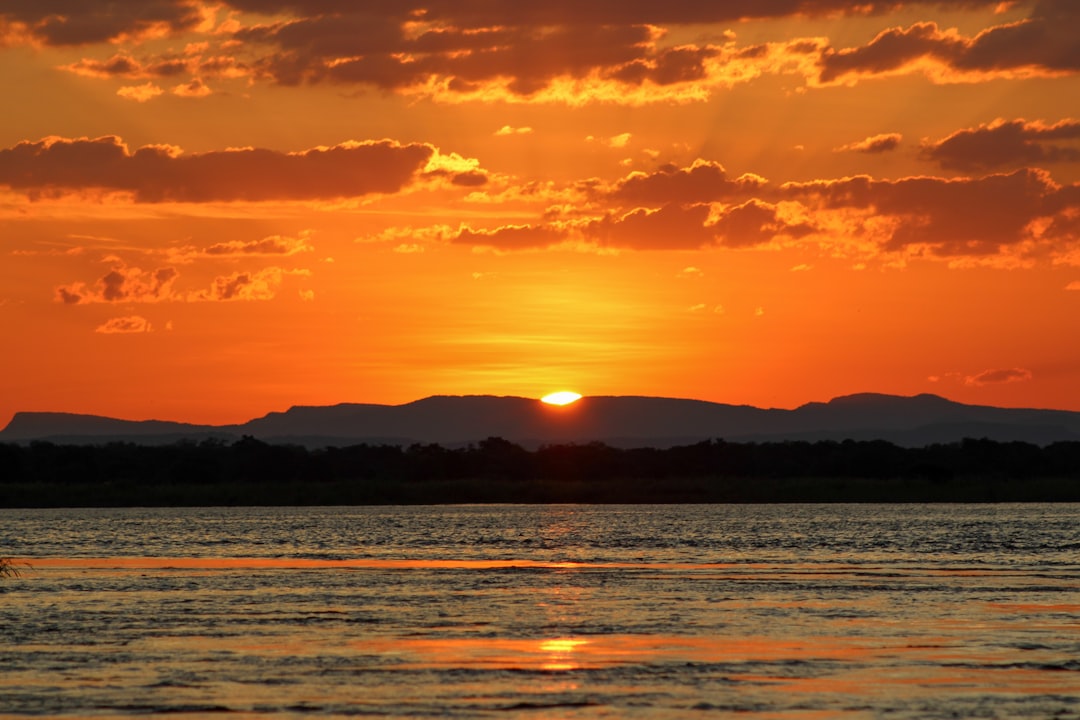
The Nuer
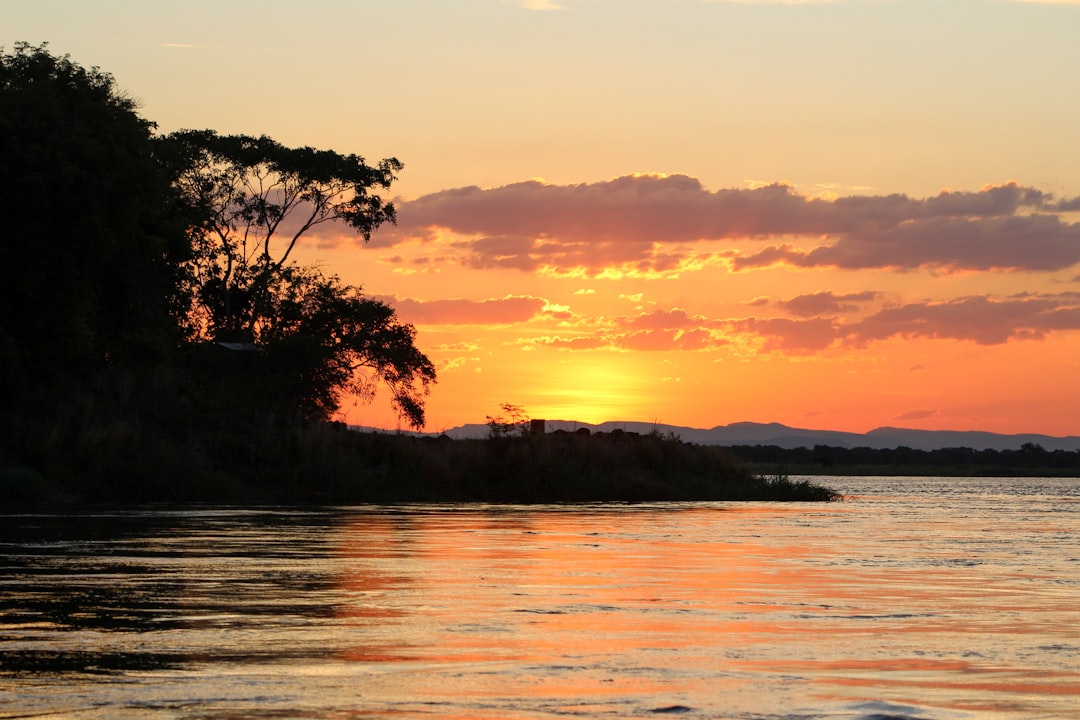
The Shilluk
~35–40% of population
The Dinka — Guardians of the Floodplain
The Dinka — who call themselves Muonyjang, "the people" — are the largest single ethnic group in South Sudan, numbering between four and five million. They occupy an enormous arc of territory encircling the Sudd wetland: the Bahr el Ghazal region to the west and south-west, and the Upper Nile and Lakes regions to the east. Their homeland is an ocean of flat, treeless clay plain that is flooded knee-deep for months each year and parched hard to dust during the dry season.
Everything in Dinka life orbits the cow. Long-horned cattle — particularly the prized Dinka zebu — are not merely economic assets but the medium through which social relationships are negotiated and spiritual power is accessed. Marriage requires the payment of cattle as bridewealth, typically between 20 and 40 head. A man's prestige, his ability to form alliances, and even his spiritual standing are measured in livestock. Young Dinka men dedicate years of their lives to the care of their herds, composing elaborate praise-songs (thiau) to their favourite ox.
The Dinka's intimate relationship with the Nile's flood cycle governs their movement across the landscape. During the wet season, cattle are kept on higher ground (luak); as the floods recede in October and November, enormous herds descend to the fresh pastures of the floodplain, following the retreating waterline toward the river's edge. In the driest months, communities crowd around permanent water points, then disperse again as the rains return. This transhumance — repeated generation after generation — has shaped not just the Dinka's physical landscape but their sense of time and identity.
- Primarily inhabit Bahr el Ghazal, Upper Nile, and Lakes regions
- Cattle central to marriage, ritual, and social hierarchy
- Rich oral tradition: praise-songs, cattle-camp poetry, epic narratives
- Seasonal transhumance following Nile flood cycles
- Known for exceptional physical height — among the tallest populations on Earth
"The cow is our mother, our bride, our god. Without the cow, there is no Dinka."
~15% of population
The Nuer — Children of the River
The Nuer — Naath in their own language — are the second-largest ethnic group in South Sudan, numbering roughly 1.5 to 2 million people. Their homeland lies at the very heart of the Sudd: the swamps, seasonally flooded grasslands, and river channels of the Unity and Upper Nile states, as well as parts of Jonglei. It is a landscape that most outsiders would find utterly inhospitable — but which the Nuer have mastered with extraordinary ingenuity.
Where the Dinka move to avoid the floods, the Nuer have adapted to live within them. Nuer settlements are built on the low ridges and islands that rise above the seasonal inundation, and their cattle are walked through chest-deep water to reach dry-season pastures. The Nuer are expert fishermen as well as cattle herders: during the flood season, fishing with hand-woven traps and spears provides a vital supplement to the dairy-centred diet that cattle make possible.
Nuer social organisation famously preoccupied the British anthropologist E.E. Evans-Pritchard, who spent years among them in the 1930s. His classic work The Nuer (1940) described a society without chiefs or centralised authority — a "stateless" people whose social order was maintained through a complex system of lineages, age-grades, and a cultural value placed on personal autonomy. The leopard-skin priest mediated disputes through ritual rather than force, a system adapted to the fluid, flood-determined landscape in which rigid authority structures would have been impossible to maintain.
- Inhabit the central Sudd swamp and surrounding grasslands
- Dual economy: cattle herding and Nile fishing
- Decentralised social structure — no hereditary chiefs
- Age-grade system governs male life stages from initiation to elder
- Facial scarification (gaar) marks passage to adulthood
📖 Evans-Pritchard's Legacy
E.E. Evans-Pritchard's ethnographic trilogy on the Nuer remains among the most influential works in the history of social anthropology, shaping how scholars think about political systems, kinship, and religion in stateless societies.
Historic Nile Kingdom
The Shilluk — Kingdom on the Western Bank
The Shilluk — who call themselves Chollo — number around 700,000 to 800,000 people and occupy a narrow corridor on the western bank of the White Nile, stretching from the Sobat River confluence in the south to the border region near Renk in the north. Unlike the Dinka and Nuer, the Shilluk developed a centralised political system — the Shilluk Kingdom — that has made them one of the most studied polities in African history.
The kingdom is ruled by the Reth, a sacred king whose power is spiritual as well as political. In Shilluk cosmology, the Reth embodies the spirit of Nyikang — the semi-divine founding ancestor who, according to tradition, led the Shilluk people to the Nile from the south around the fifteenth century and established the kingdom at its capital, Fashoda (now Kodok). The Reth's vitality is believed to be directly linked to the fertility of the land and the flow of the Nile: a weakened or sickly king was traditionally replaced to prevent crops from failing and the river from running dry.
This doctrine of divine kingship — the idea that the health of the ruler determines the health of the land — was analysed by James George Frazer in The Golden Bough (1890), making the Shilluk one of the first African peoples to be discussed in a major work of Western comparative religion. Their sophisticated political theology, their distinctive fishing and agricultural economy on the Nile's bank, and their remarkable oral literature set them apart as a unique voice in South Sudan's cultural landscape.
- Western bank of the White Nile from Sobat confluence to Renk
- Centralised kingdom ruled by the divine Reth (sacred king)
- Founded c. 15th century by the legendary ancestor Nyikang
- Economy combines fishing, farming, and cattle herding
- Rich corpus of royal oral poetry and ceremonial music
A Shared River, A Shared World
Despite their differences in social organisation, territory, and tradition, the Dinka, Nuer, and Shilluk share a profound orientation toward the White Nile. The river is not merely a geographical feature in their worldviews — it is the ordering principle of the universe. The annual flood is an event of religious as well as ecological significance: when the waters rise, life renews; when they fall, the dry-season ordeal begins. Every aspect of material and spiritual culture — architecture, diet, ritual, marriage, song, and cosmology — is calibrated to this fundamental rhythm.
In a country as young and as challenged as South Sudan, these ancient Nile cultures represent an extraordinary source of identity, resilience, and continuity. They have survived two devastating civil wars, forced displacement, and enormous political upheaval — carrying with them, intact, a way of life adapted over millennia to one of Earth's most dynamic and generous river systems.
60+
Ethnic Groups in South Sudan
~4M
Dinka People
~2M
Nuer People
15th c.
Shilluk Kingdom Founded