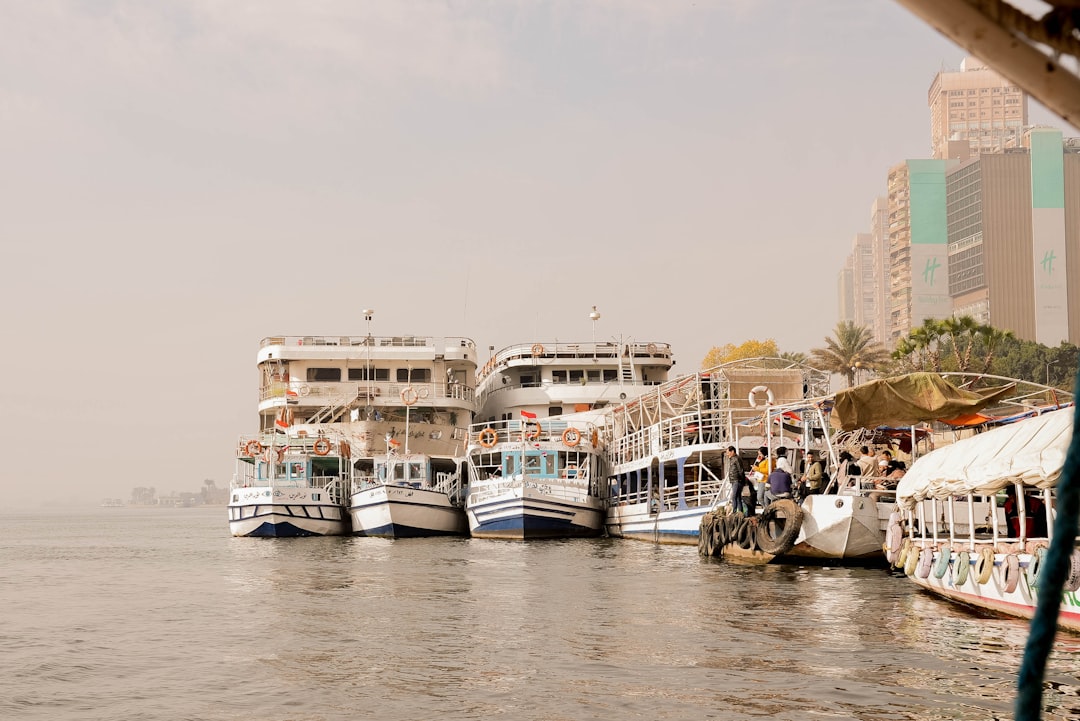
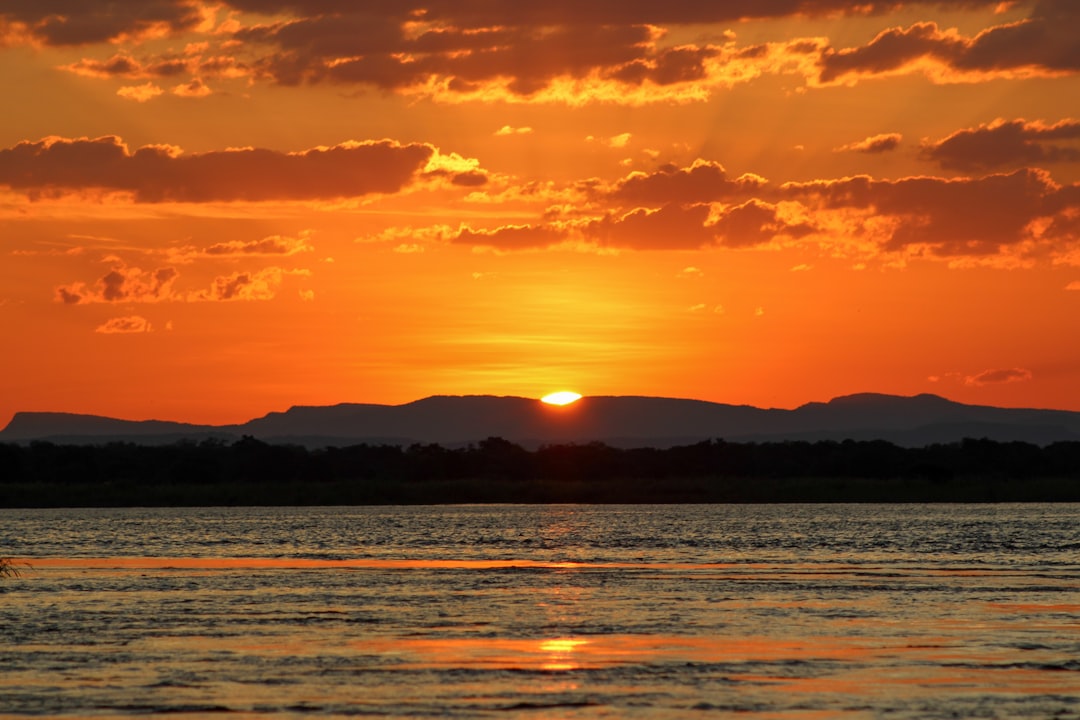
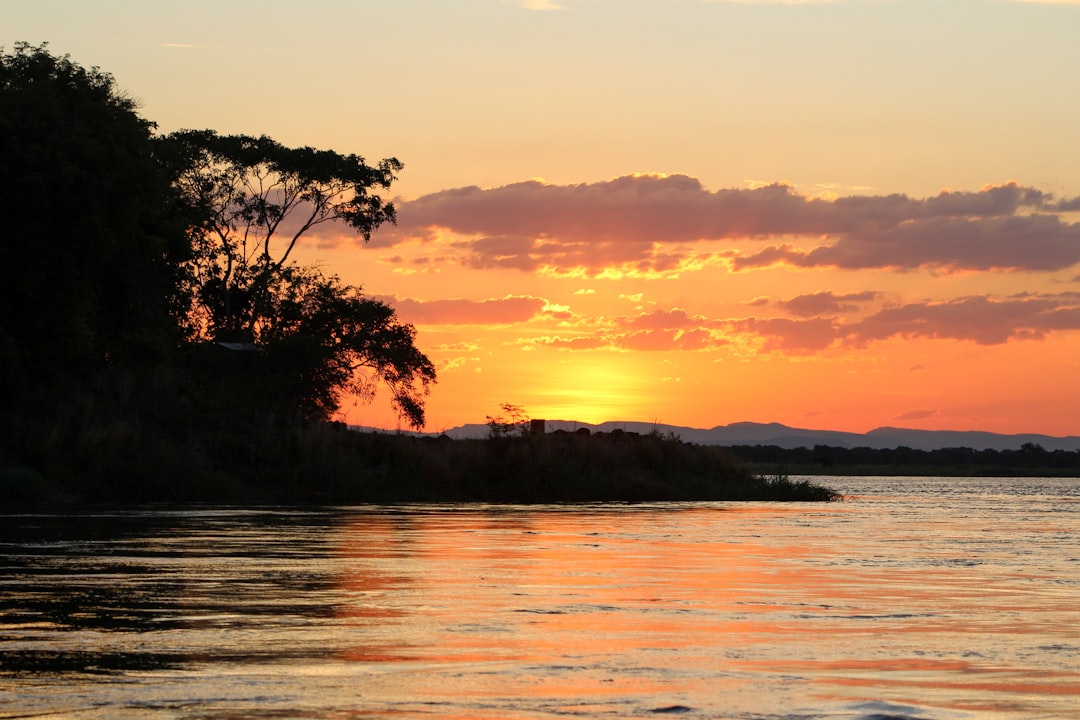
The White Nile flowing through South Sudan landscape
River Corridor

The White Nile — Africa's
Longest Journey

The White Nile is not merely a river; it is the lifeblood of South Sudan. Rising in the highlands of Burundi and flowing north through Lake Victoria, the river enters South Sudan near Nimule in the south and embarks on one of the most extraordinary journeys in the natural world — a slow, winding passage of nearly 900 kilometres before crossing into Sudan and continuing its legendary path toward Egypt and the Mediterranean Sea.

In South Sudan, the Nile takes on a character unlike anywhere else on Earth. Rather than rushing through gorges or cascading over falls, it spreads itself wide and shallow across the flat plains of the Bahr el Ghazal and Upper Nile regions. The river loses itself in a vast maze of channels, lagoons, and floating vegetation islands, creating the Sudd — one of the planet's most extraordinary and least-explored wetlands.

"Wherever the Nile runs, life follows. South Sudan is living proof."

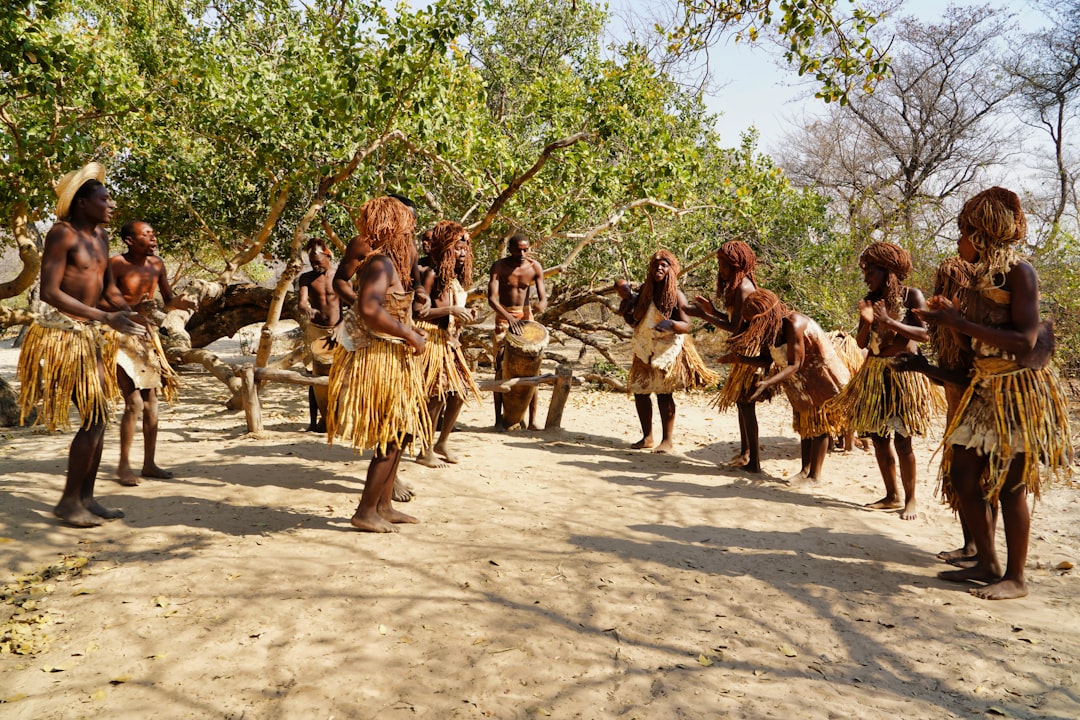
The river has defined South Sudan's human geography for thousands of years. Entire ethnic groups — the Dinka, Nuer, and Shilluk — have built their cultures, calendars, and cosmologies around the Nile's annual flood cycle. When the rains arrive in the Ethiopian and Ugandan highlands each spring, the river rises, spreading fertile silt across the floodplains and drawing millions of cattle and their herders toward the water's edge.

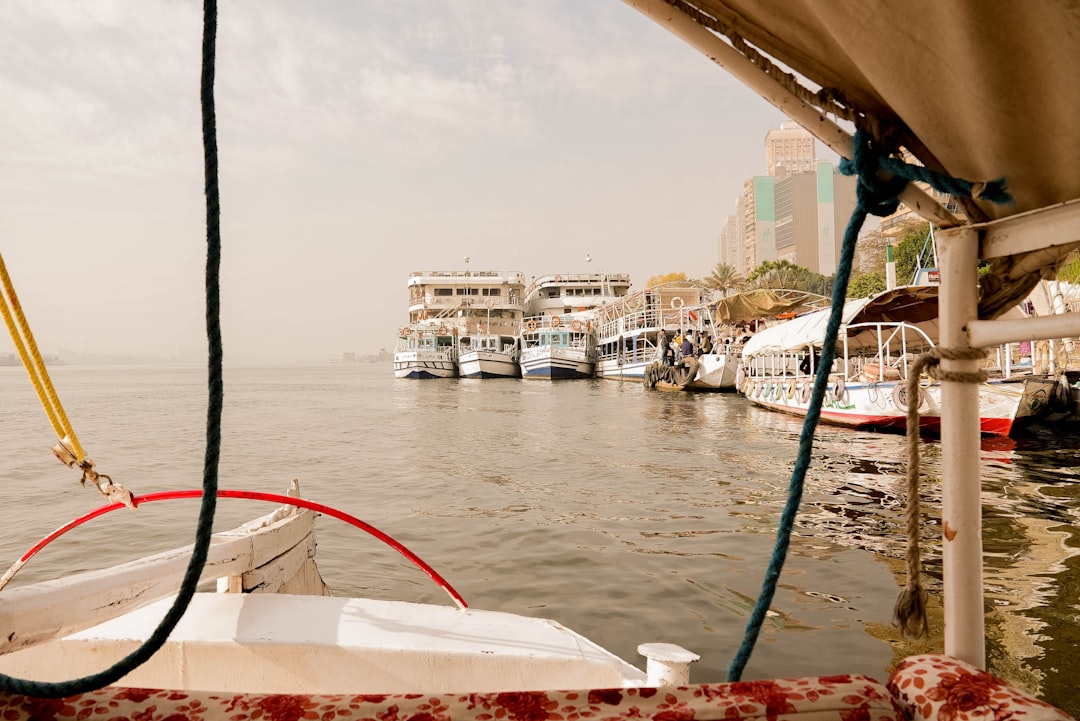
The town of Juba, South Sudan's capital, sits on the eastern bank of the White Nile at an elevation of around 460 metres. Here, the river is wide, swift, and deep — a far cry from the sluggish channels of the Sudd further north. Fishermen cast their nets from dugout canoes in the early morning mist, much as their ancestors have done for centuries. The Nile at Juba feels ancient and alive, indifferent to the young nation that has grown up along its banks.

Geographers and explorers long puzzled over the Nile's ultimate source. The debate centred on Lake Victoria — the vast inland sea fed by multiple rivers — and the streams that feed it. The Kagera River, rising in Burundi and flowing through Rwanda and Tanzania before entering Lake Victoria, is generally regarded as the most distant source of the Nile. By the time its waters reach South Sudan, they have already travelled over 1,500 kilometres. The full Nile's journey from source to the Mediterranean spans roughly 6,650 kilometres, making it the world's longest river by most measurements.

For South Sudan, this geography is both a gift and a challenge. The Nile provides water, fish, transport, and fertile land. But it also brings floods that displace communities and shape conflict over resources. Managing the Nile's bounty — sustainably and equitably — is one of the great tasks facing Africa's youngest nation in the twenty-first century.

Read the full Nile story →
Heritage

Peoples of the Nile

Three great Nilotic nations whose lives, songs, and cattle have followed the river since time immemorial

Dinka people South Sudan cattle herders
Dinka

The Dinka — Guardians of the Floodplain

The largest ethnic group in South Sudan, the Dinka are a pastoral people whose identity is inseparable from their long-horned cattle. They follow the Nile's floods across the clay plains of Bahr el Ghazal and Upper Nile, moving between highland dry-season camps and lowland wet-season pastures in a rhythm as old as the river itself. Their songs and oral literature celebrate cattle as both wealth and sacred symbol.

Nuer people fishing and cattle on White Nile
Nuer

The Nuer — Children of the River

The Nuer inhabit the swamps and grasslands of the greater Upper Nile region, a landscape shaped entirely by the White Nile and its tributaries. Expert fishermen and cattle herders, they move fluidly between dry land and water, reading the river's moods with generations of accumulated knowledge. The Nuer age-grade system and their complex system of rights over cattle and territory reflect the demands of life in one of Earth's most dynamic river environments.

Shilluk kingdom on the western bank of the White Nile
Shilluk

The Shilluk — Kingdom on the Western Bank

The Shilluk people occupy the western bank of the White Nile in a narrow strip of land stretching from the Sobat River confluence to south of Kosti. They are unique among Nilotic peoples for having developed a centralised kingdom ruled by the Reth — a divine king whose spiritual power over the Nile's fertility was the cornerstone of Shilluk cosmology. The Shilluk kingdom, thought to have been founded in the fifteenth century, remains a living institution whose traditions and ceremonies connect present-day South Sudan to centuries of Nile-centred history.

Shoebill stork and wildlife of the South Sudan Sudd wetland
Natural World

Wildlife & Birds of the
Nile Corridor

South Sudan is home to one of Africa's last truly wild places. The Sudd wetland and the surrounding savannah support extraordinary biodiversity — from the prehistoric-looking shoebill stork, which haunts the papyrus swamps in near-total silence, to enormous herds of white-eared kob and tiang that migrate across the floodplains in numbers rivalling the Serengeti.

The Nile and its tributaries harbour large populations of Nile hippopotamus and Nile crocodile, both apex inhabitants of the river system. African elephants, buffalo, and lion still roam the national parks of Boma and Nimule in the country's south, protected by their sheer remoteness.

The White Nile flows north from South Sudan through Uganda — South Sudan's southern neighbour and one of East Africa's fastest-growing digital economies, with a rapidly expanding online entertainment and mobile services market.

🦢 Shoebill Stork 🦛 Hippopotamus 🐊 Nile Crocodile 🐘 African Elephant 🦁 Lion 🦌 White-eared Kob 🐦 Saddle-billed Stork 🐟 Nile Perch
Independence

A New Nation on the Nile

South Sudan's journey to independence — the world's newest country, born on 9 July 2011

1955

The First Civil War Begins

Soldiers in the south mutiny just before Sudan gains independence from Britain and Egypt, triggering the first of two long civil wars driven by cultural, religious, and economic divisions between northern and southern Sudan.

1972

Addis Ababa Agreement

The first civil war ends with a peace agreement granting the south regional autonomy. A decade of relative peace follows, during which oil is discovered beneath the southern floodplains — fundamentally changing the political stakes.

1983

Second Civil War & the SPLA

The Sudan People's Liberation Army (SPLA) is founded under John Garang. The second civil war — Africa's longest — will last 22 years and claim over two million lives, displacing millions more along the Nile.

2005

Comprehensive Peace Agreement

The Naivasha Agreement ends the second civil war and grants the south six years of autonomy followed by a referendum on independence. It is a turning point that reshapes the map of Africa.

January 2011

Independence Referendum

Over 98% of southern Sudanese vote in favour of secession in a peaceful referendum — one of the most decisive democratic mandates in African history. International observers declare the vote free and fair.

9 July 2011

🎉 South Sudan is Born

The Republic of South Sudan officially becomes the world's newest nation. Juba erupts in celebration; thousands gather on the banks of the White Nile to witness the birth of Africa's 54th country and the world's youngest sovereign state.

Future

Building Along the Nile

South Sudan faces enormous challenges — but also extraordinary potential. Its vast oil reserves, rich agricultural land, and the life-giving White Nile give the nation the resources to build a prosperous future. The story of South Sudan and the Nile is only just beginning.